Ongoing projects:
Baltic Interreg project Trust Alum
This project involves transfer of knowledge about the lake restoration process and design of measures. Although the focus of Trust Alum is to demonstrate the use of sediment treatment using aluminum minerals to bind and inactivate phosphorus, the project follows the entire process needed to restore lakes in a sustainable and cost-effective manner. These steps include:
- Design of treatment plan
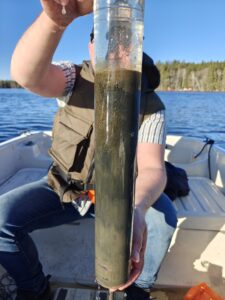
- Sampling and analysis from all potential nutrient sources
- Dynamic (mechanistic) lake modeling
- Measures scenario analysis
- Design and implementation of measures
- Communication with the public and stakeholders

Dynamic modeling of bays on the Baltic Sea to determine effectiveness of restoration measures
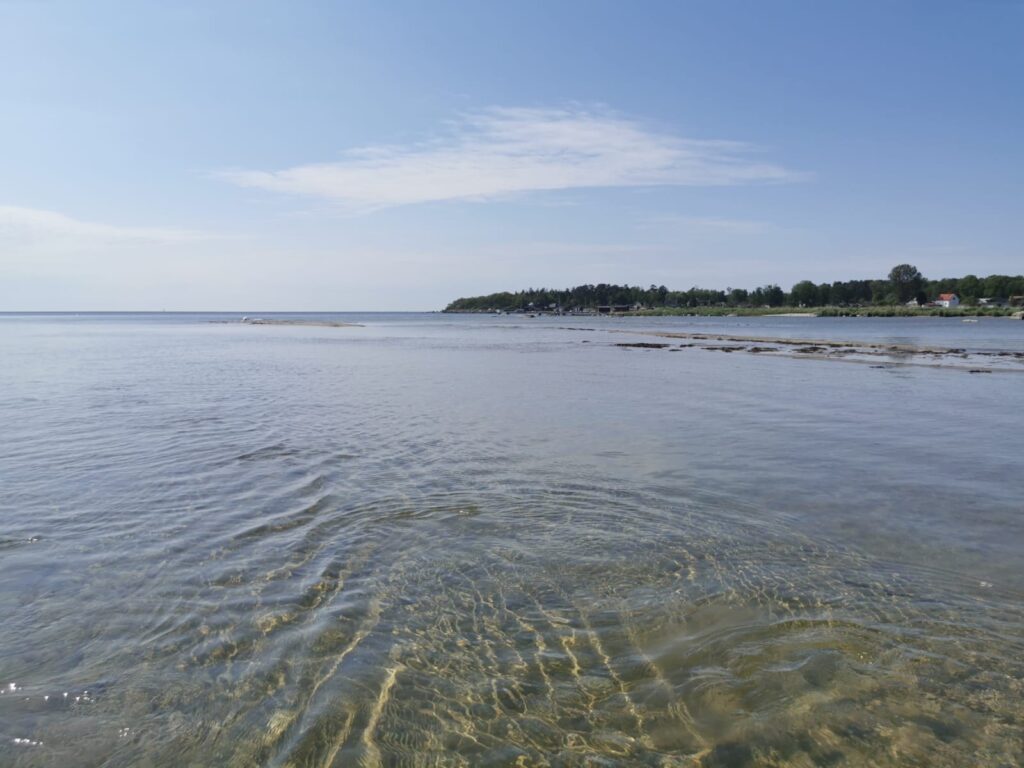
Coastal bays are more complex than inland waters because they are connected to the Baltic Sea, which can be either a source or sink of nutrients depending on the flow of water to or from the coastal bay. This makes determining which measures will help with reducing eutrophication more difficult. In this project, we use a modified, two-dimensional model to more accurately determine nutrient sources and determine which methods will be most cost-effective for restoring coastal bays over the long term.